The public 501(c)(3) nonprofit has built service learning programs that engage students from low-resource high schools to evaluate their communities and find ways to make change through service. So far, buildOn students have contributed more than 2.4 million hours of direct service, addressing their communities’ most critical concerns, including homelessness, environmental stewardship and food insecurity. Through buildOn’s Trek program, U.S. students have also helped build 2,252 schools across the world in eight of the economically poorest countries on the planet. In partnership and solidarity with these communities, buildOn is helping to make lasting progress in the fight for educational justice. There are now more than 297,000 children, parents and grandparents attending buildOn schools that they built.
“Our students have rallied and come together to address issues around their community,” he shared. “We’re not trying to rescue anybody. All we want to do is to put students in the lead so they can break the cycle of poverty and illiteracy through service and education. This is our mission. It has become a movement on a lot of levels.”
Such a philanthropic mission requires immense resilience and dedication. In 2016, buildOn made the decision to not expand to any new countries or U.S. cities in order to strengthen the impact where they had already started.
“The vision is to scale deep instead of scale wide. If we scale deep, then we can make a systemic impact — helping to lift graduation rates in the cities where we work. We will reach a tipping point if we stay focused on these cities. When students join buildOn, they come to school 15 more days per year. We believe we can help raise graduation rates by 50%,” Ziolkowski said.
Behind the scenes of buildOn, fundraising is a crucial component to continuing their initiatives and building sustainable growth. The organization currently has about 930 employees, collaborates with communities in the United States and around the world, and forms corporate partnerships with companies such as Salesforce that help make their ideas come to life. However, Ziolkowski candidly shared how seeking funding and support has not always been easy.
“I was overly confident when I left my finance career to start buildOn. I hadn’t really failed at anything yet. We formed partnerships with NGOs to identify places to build schools and started service programs in high schools, but we couldn’t get any funding. We had a stack of rejection letters at least an inch thick. Most letters were clear about why they were saying no. They told us we didn’t know how to fundraise, didn’t know how to build schools and didn’t know how to run service programs with youth. The truth of it was that they were right. Why would they fund us?” he explained. “I was in a downward spiral and had many sleepless nights. Then at 3:00 a.m. one night, I had an epiphany and realized that I was being paralyzed by my own fear of failure. It was a crucial turning point for me … realizing this fear is going to destroy any possibilities for buildOn. Out of desperation, I picked up the phone to call the CFO of GE Capital.”
After Ziolkowski met with the CFO and was put in front of then-CEO Jack Welsh, GE Capital was one of the first to fund buildOn. Fast forward to 2023, and the Broad Spartan’s nonprofit now has a $22 million budget to invest into its students and communities.


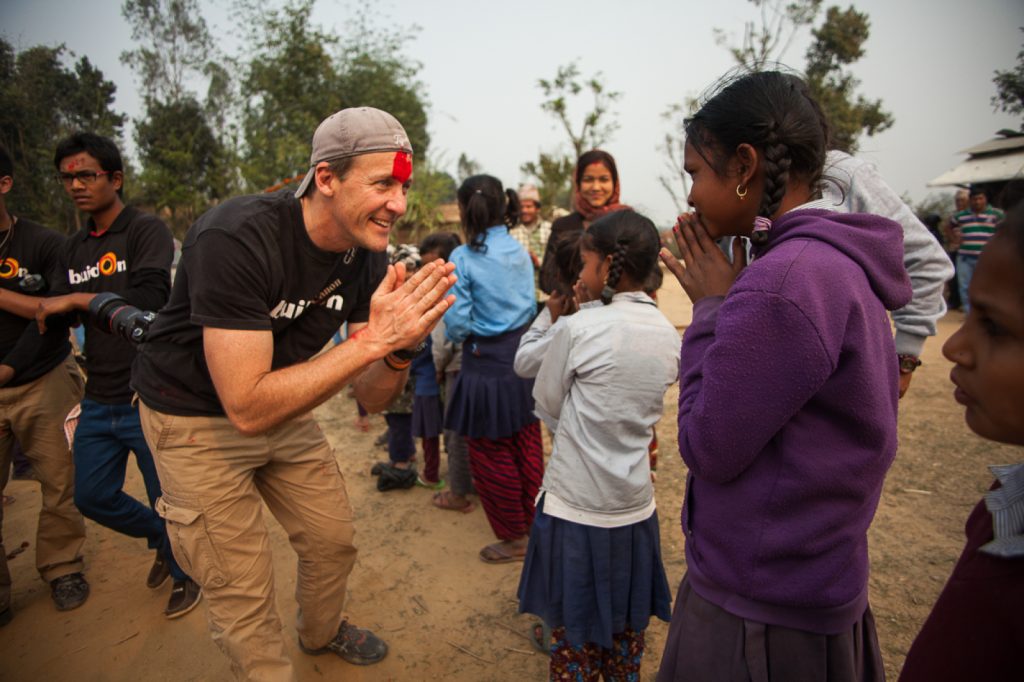 Eager to make a social impact through education and service, Jim Ziolkowski (B.A. Financial Administration '89) left a career in corporate finance to found buildOn, a public 501(c)(3) nonprofit.
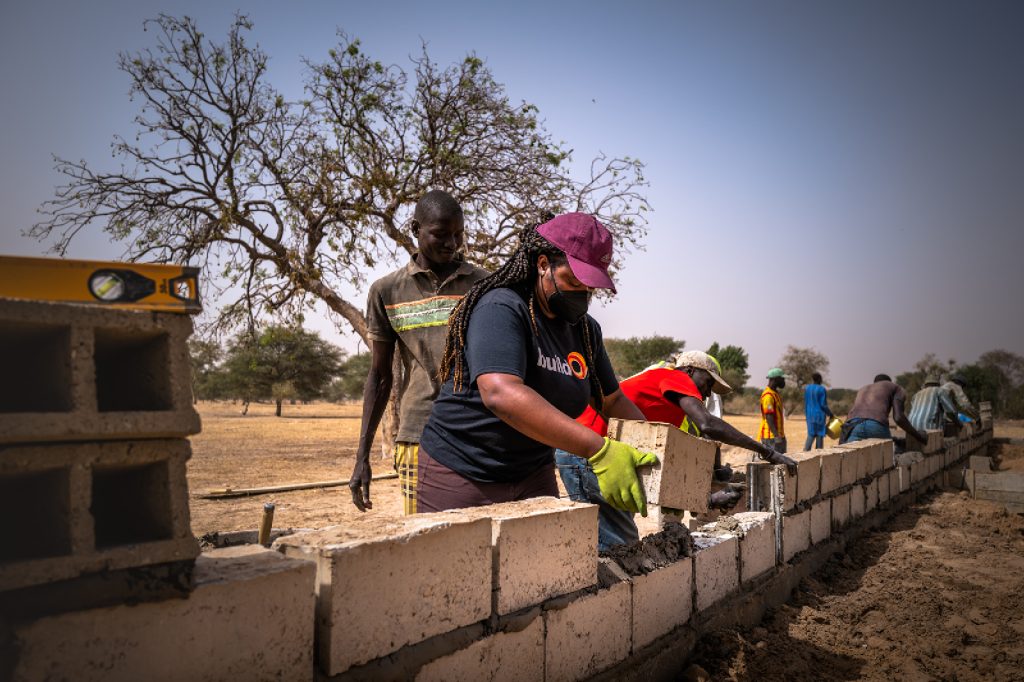 Through buildOn’s Trek program, U.S. students have helped build 2,252 schools across the world.
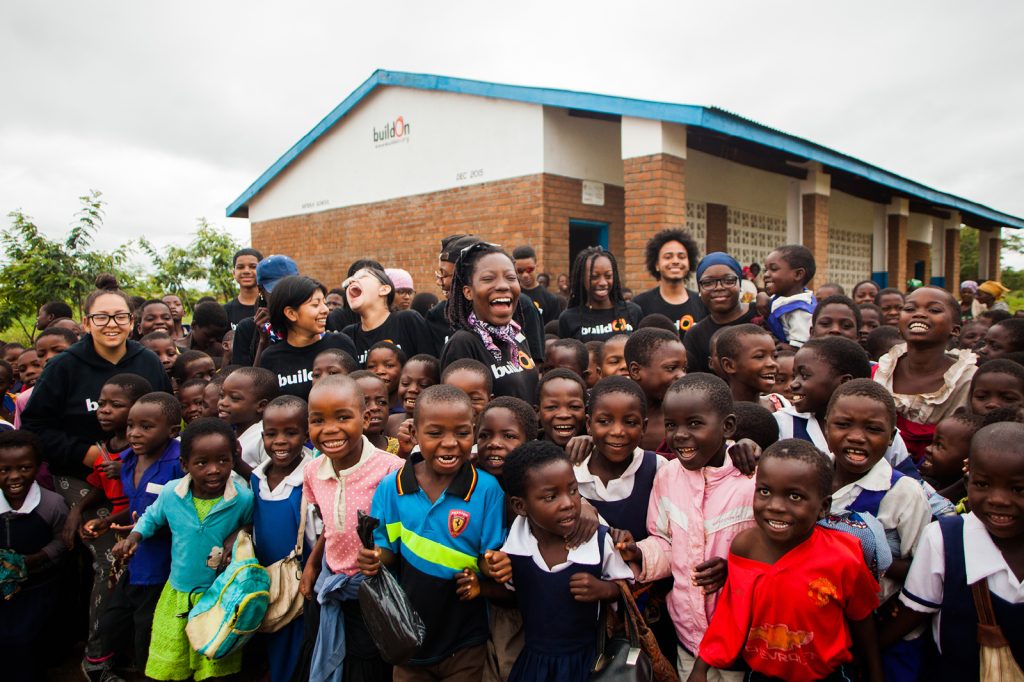 buildOn students have contributed more than 2.4 million hours of direct service, addressing their communities’ most critical concerns, including homelessness, environmental stewardship and food insecurity.