


In today’s dynamic business landscape, sustainability has decisively transitioned from a marginal concern to a strategic imperative. It is no longer a fleeting buzzword; it is a fundamental pillar of long-term organizational success. The Corporate Social Responsibility and Sustainability concentration within the Michigan State University Full-Time MBA recognizes this profound shift, equipping graduates with the necessary tools and frameworks to seamlessly integrate Environmental, Social, and Governance (ESG) principles into core business decisions. This academic focus is designed not only to mitigate risks but, more importantly, to unlock new avenues for innovation and create enduring value for both organizations and the broader global society.
The true measure of this highly specialized education is best illuminated by its direct application in post-MBA careers. Patricia Weiss, an accomplished alumna of the Michigan State Broad Full-Time MBA program, offers compelling, real-world examples of how her expertise drives tangible business impact. In her work, Weiss applied rigorous sustainability principles directly to complex sourcing decisions. This involved thoroughly assessing suppliers against demanding environmental, social, and diversity criteria. This integrated method was not simply about regulatory compliance; it actively supported responsible growth, strengthened crucial procurement strategies for large-scale operations, and provided clear evidence that effective sustainability measures and healthy profitability are, in fact, mutually reinforcing.
Furthermore, Weiss’s consulting experience in the automotive logistics sector demonstrates the critical necessity of connecting ESG expertise with strategic execution. She successfully assessed the industry’s monumental transition to electric trucks in Europe, a move mandated by the ambitious EU Green Initiative. By establishing a direct link between demanding regulatory goals and concrete operational and financial outcomes, she expertly guided clients. This enabled businesses to navigate complex and potentially disruptive sustainability mandates while simultaneously maintaining their competitive advantage and securing their future market position.
This understanding that sustainability is a core performance driver rather than a supplementary cost is central to the Broad College mission. Weiss exemplified this by incorporating comprehensive sustainability metrics directly into end-to-end supply chain assessments. This move strategically positioned sustainability as a key differentiator within organizational strategy, compelling businesses to innovate proactively while rigorously meeting the rapidly evolving expectations of investors, consumers, and regulators. This holistic approach prepares graduates to eventually assume influential leadership roles across supply chain management, consulting, and corporate strategy, where sustainability is now central to the decision-making process. By mastering the critical intersection of advanced business acumen and deeply embedded sustainability practices, Broad College alumni are directly influencing and shaping a responsible, thriving future for global organizations.
Explore how the Broad MBA can help you become a leader in this essential sustainable business transformation.
In Other News:
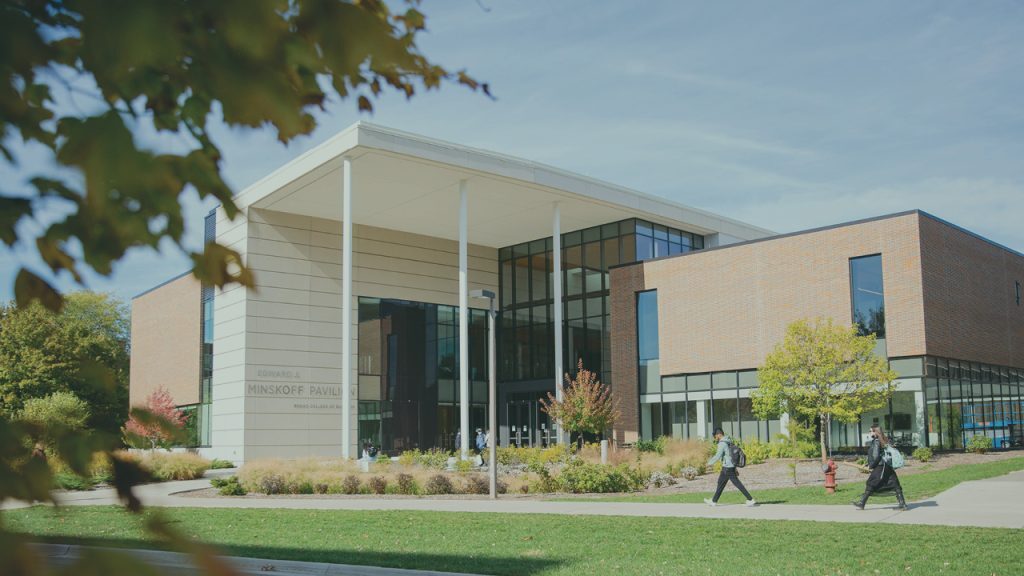
MBA student Angela Leach launched Memory Sketch, a startup helping patients with Alzheimer’s disease.
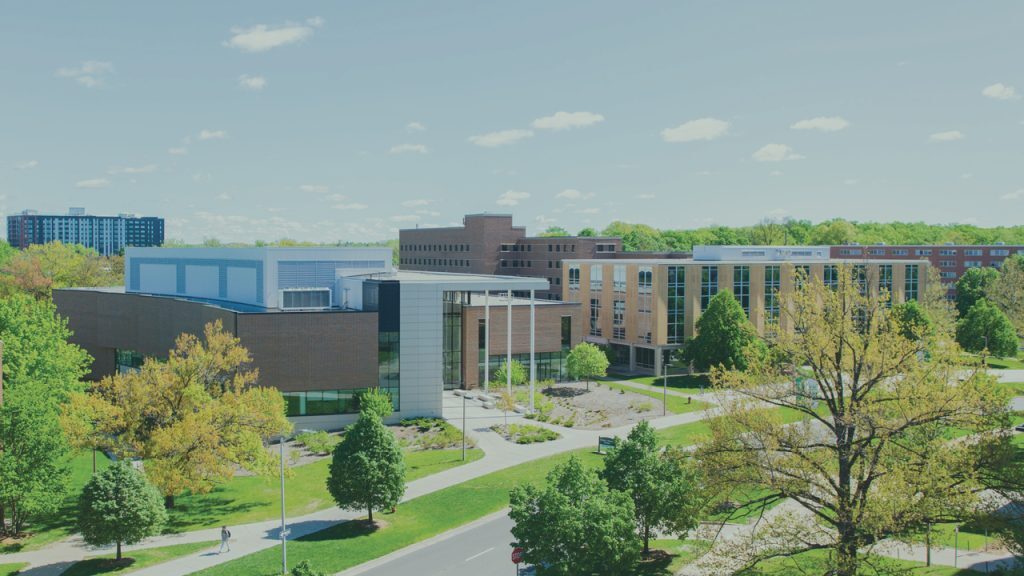
JD/MBA students Ethan Karapatsakis and Brandon Matthews discuss the differences between law and business studies.
MD-MBA student offers tips to combat common pitfalls for first year grad students.
Get Connected with Broad:
- Business College Complex
- 632 Bogue St
- East Lansing, MI 48824