- Kelly Ulrich
- Communications Manager II
- ulrichk1@msu.edu
- (517)-353-7123


Why this matters
- Finds a stronger internal control environment, fewer mistakes in financial reports, and greater efficiency in accounting after firms adopt automation & AI accounting software.
- Finds companies remove human oversight after adoption. This lack of oversight makes mistakes costlier when they do happen, underscoring the need for balanced governance.
- Evidence moves the automation & AI debate from marketing claims to peer‑reviewed academic research, giving managers, boards, and investors a clearer risk-benefit picture.
A targeted test of AI in accounting
Every technological wave has reshaped the way corporations manage and report out their financial statements. The newest surge, observes Musaib Ashraf, associate professor in the Broad College’s Department of Accounting and Information Systems, is AI-powered automation built for accounting workflows. His recent paper, “Does Automation Improve Financial Reporting? Evidence from Internal Controls” appears in the Review of Accounting Studies, one of Broad’s strategically targeted journals and considered to be one of the best thought-leading accounting journals.
“There’s a big push, especially by software providers, that are pushing companies to adopt these new technologies. But executives and managers are concerned about introducing automation technology, artificial intelligence, and robotic process automation in accounting and finance,” Ashraf said. “I wanted to empirically test: Who is right?”
Key finding: fewer mistakes, but bigger mistakes once humans step back
Analyzing thousands of financial statements, Ashraf documents substantially fewer internal control material weaknesses at firms that automate accounting tasks. “It does seem to improve financial reporting and accounting, as well as increase efficiency,” Ashraf said. “But,” he warned, “it comes with a caveat. The data shows that companies that adopt this technology seem to be pulling back human oversight after adopting the technology. The problem with that is this technology is not perfect. It cannot 100% prevent mistakes from happening. So, when companies pull back human oversight, when mistakes do happen, the mistakes tend to be a lot bigger and more significant. The mistakes are worse than they would have been had the companies retained human oversight.”
Guidance for practice and policy
Ashraf frames his findings as guidance for decision‑makers at every level. “I’m hoping stakeholders like executives, chief financial officers, chief accounting officers, and CEOs will be able to learn about and get some comfort over the use of automation and AI software in accounting and finance,” he said. “Even regulators at the SEC or legislators at the state and federal level. If they’re debating and thinking about allowing companies to use this software in these critical financial reporting functions and discussing the risks involved, the benefits, etc. I’m hoping they walk away from my research with a little bit more comfort around implementing these tools. Mistakes seem to go down. Efficiency seems to go up. So, companies should proceed. But proceed with caution.”
Finally, he acknowledges how the issue lands with newcomers to the profession: “Students are scared, right? About AI and how that might affect their job prospects.” He encourages them to first to realize that the future is uncertain, not doomed; no one really knows whether AI will take jobs or whether it will supplement jobs. Second, he recommends students temper the worry by pairing technical skills with sound judgment, an approach his data suggests automation still relies on.
What’s next? Deeper data, broader cooperation
Ashraf says the biggest breakthroughs depend on partnerships. “The thing that would be very beneficial to conduct research is just cooperation from businesses and practitioners. We need access, right? We can only do research with data that we have access to,” he explained. Publicly available filings let scholars answer only so much. “For us to be able to tackle more value-added problems, we need access to proprietary data. And that’s going to require the cooperation of businesses.” The payoff, he argues, mirrors product R&D: “I think most of us will recognize that investment in research and development benefits a company.” Ashraf explains. “The customer typically ends up getting a better product, but it also benefits other stakeholders like shareholders.” Continued research and expanded corporate partnerships will be key in continuing to understand how AI technologies can be utilized in the coming years. “Investment in research at the academic level benefits society at large and our country” Ashraf says. “Similar to how research and development increases the value of companies, academic research at universities enriches our society.”
Media Contact:
In Other News:
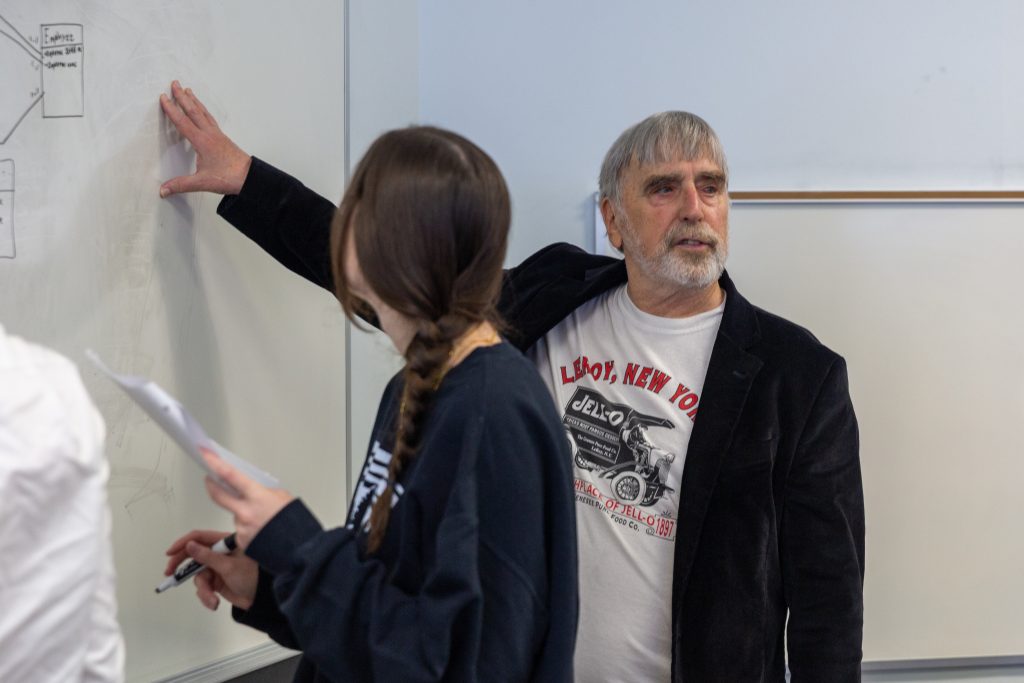
This recognition honors a career that has reshaped accounting systems, computer science, and information.

Food insecurity is often discussed as a public health issue, but new research shows it's also a workplace issue
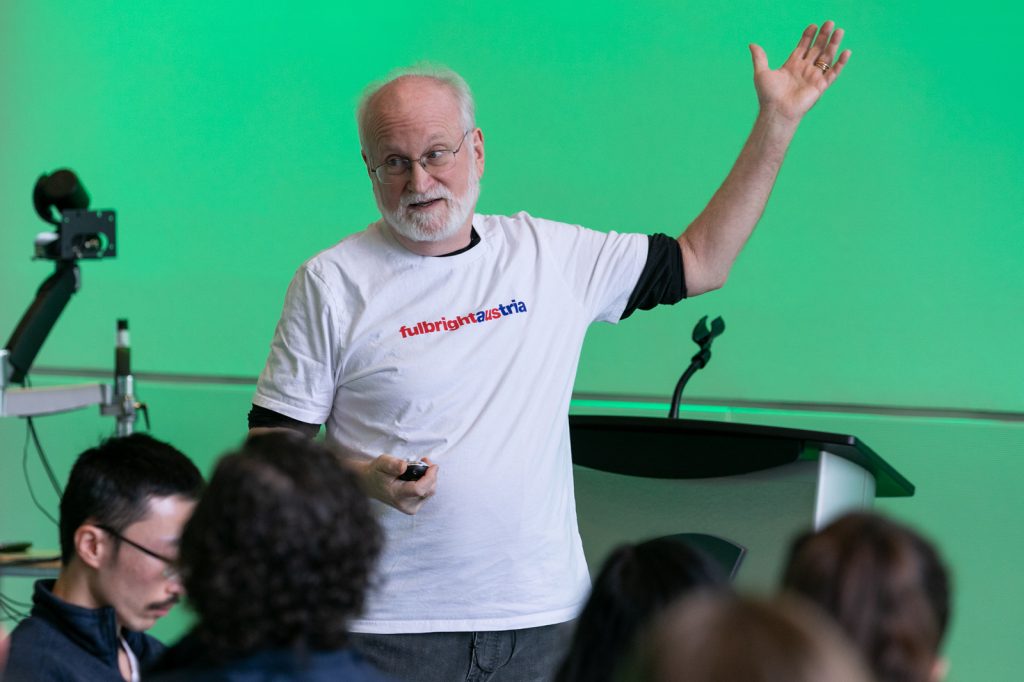
Broad has launched an Internal Speaker Series aimed at strengthening the college's research culture across departments
Get Connected with Broad:
- Business College Complex
- 632 Bogue St
- East Lansing, MI 48824