


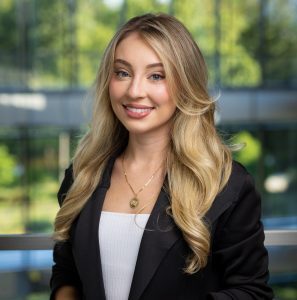
Bianca Haikal, MBA ’27
One of the fundamental purposes of an MBA program is to enable professionals to refine and, when necessary, pivot their careers after undergraduate studies.
In its most traditional form, an MBA supports what can be described as a vertical career pivot. This path allows professionals to grow upward in responsibility while remaining within the same industry or function.
At Broad, this is especially evident among students coming from established careers in fields such as healthcare, consulting, or corporate management. I have classmates who were nurses, physicians, and health technicians that are now specializing in healthcare management to lead hospitals and complex healthcare systems. Others entered the program with years of corporate experience and chose the MBA to refine their leadership skills and prepare for executive-level roles. This vertical transition is strongly supported by the curriculum, particularly through core courses like Managing the Workforce, which emphasize people leadership, organizational behavior, and strategic management.
However, an MBA allows professionals not only to move up, but also to expand, redefine, or reshape their career trajectories. The reality is that career pivots enabled by an MBA can be more expansive than the classic vertical path.
My own journey has followed a nontraditional path, what I like to call a horizontal pivot, which is a transition that focuses more on shifting functions, skill sets, and professional identity across industries.
I am a lawyer, educated in Brazil, with four years of professional experience in the legal field. While I value my legal career, a transformative experience working at a startup with a strong in-house creative and marketing team reshaped my perspective. For the first time, I was deeply exposed to branding, growth strategy, and customer-centric thinking. That experience sparked a genuine passion for marketing and technology and ultimately led me to pursue a career change.
Choosing an MBA with a concentration in marketing became the most natural way to build credibility, technical knowledge, and practical experience in a new field. However, before starting the program, I was still grappling with self-doubt and uncertainty around such a significant career transition.
From the beginning, I found inspiration in Broad alumni who had made dramatic pivots. I met a former musician who transitioned into a corporate supply chain role. Another came from a speech therapy background and moved into procurement after completing their MBA. These stories were not rare exceptions: they were common, visible, and intentionally highlighted by the program. That representation mattered deeply. Seeing people from nontraditional backgrounds succeed significantly reduced my fear of stepping away from a prestigious legal career to pursue something new.
Beyond inspiration, the program offered concrete opportunities to build experience and strengthen my professional profile. I was selected for a graduate assistantship in digital marketing within the communications team, where I was trusted with real responsibility and autonomy. Managing initiatives tied to a national brand allowed me to expand my marketing skillset in a hands-on environment and apply classroom concepts to real-world challenges. That experience also positioned me as a strong contributor within my concentration, and I was later chosen by my peers to serve as the first-year representative of the Marketing Association, an opportunity that further strengthened my leadership skills and sense of belonging within the program.
Academically, I was able to intentionally shape my coursework around marketing and strategy, which makes my MBA experience highly personalized and aligned with my goals. Many of my classes emphasized group projects, case-based learning, and applied problem-solving, closely mirroring the dynamics of the professional world. This collaborative and experiential approach made the learning process more engaging, practical, and relevant to the market I was preparing to enter.
Entrepreneurship has also played a central role in my journey. Broad strongly encourages an entrepreneurial mindset rooted in proactivity, ownership, and experimentation; skills that are increasingly valued across industries. Through the Burgess Institute for Entrepreneurship & Innovation, support is available from ideation to launch, including mentorship, structured programming, and funding opportunities. I launched my own app, an experience that challenged me to think holistically about product, marketing, and user needs, and I knew I could count on the Burgess team every step of the way. That journey also became a defining element of my marketing portfolio and professional pivot narrative.
Perhaps the most meaningful lesson of my MBA pivot experience, however, came from developing self-awareness and understanding transferable skills. With the support of the Palmer Career Management Center and peer coaches, I learned how to reframe my professional story in a way that honored my legal background while positioning me for success in marketing. I realized, for example, that as a lawyer, I had developed deep analytical skills — the ability to process large volumes of information, identify patterns, and transform complexity into clear insights. With the support of the career center through the MBA, I learned how to translate those skills into marketing contexts, where data analysis, consumer insights, and actionable strategy are critical.
One year into the program, I am deeply grateful for the Broad MBA experience and already feel significantly more prepared and confident in my professional path. More than enabling a career pivot, it became a space for intentional growth and profound self-discovery. The program invested in me, not only academically, but through tailored experiences, leadership opportunities, and individualized career support that pushed me to grow with clarity and confidence.
In doing so, Broad taught me how to honor my past while confidently building my future. It gave me the tools to explore new directions, the courage to embrace uncertainty, and the self-awareness to lead with authenticity. My MBA is not just a professional transformation: it is a personal one, and one that will continue to shape the way I grow, lead, and create long after graduation.
In Other News:
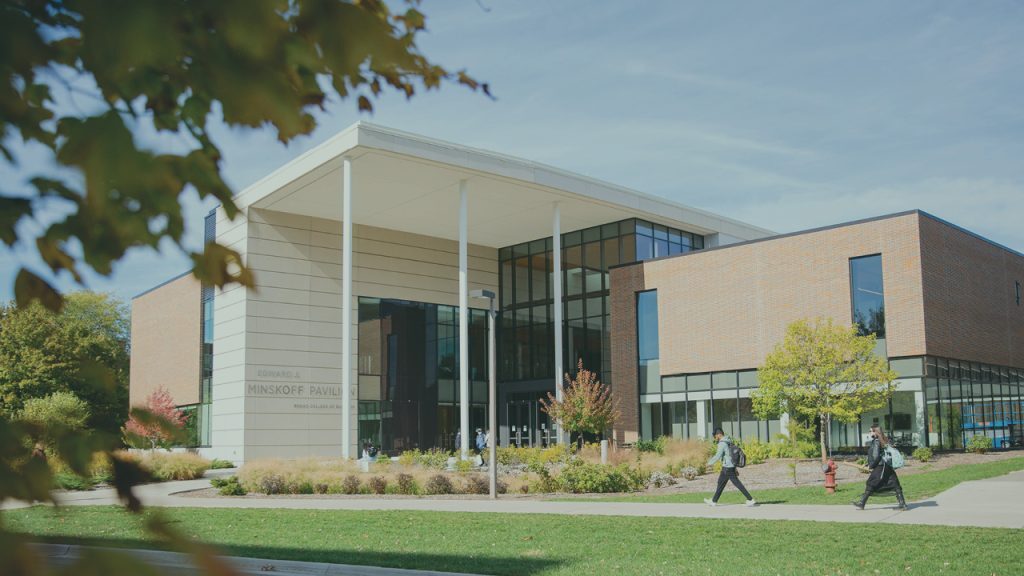
MBA student Angela Leach launched Memory Sketch, a startup helping patients with Alzheimer’s disease.
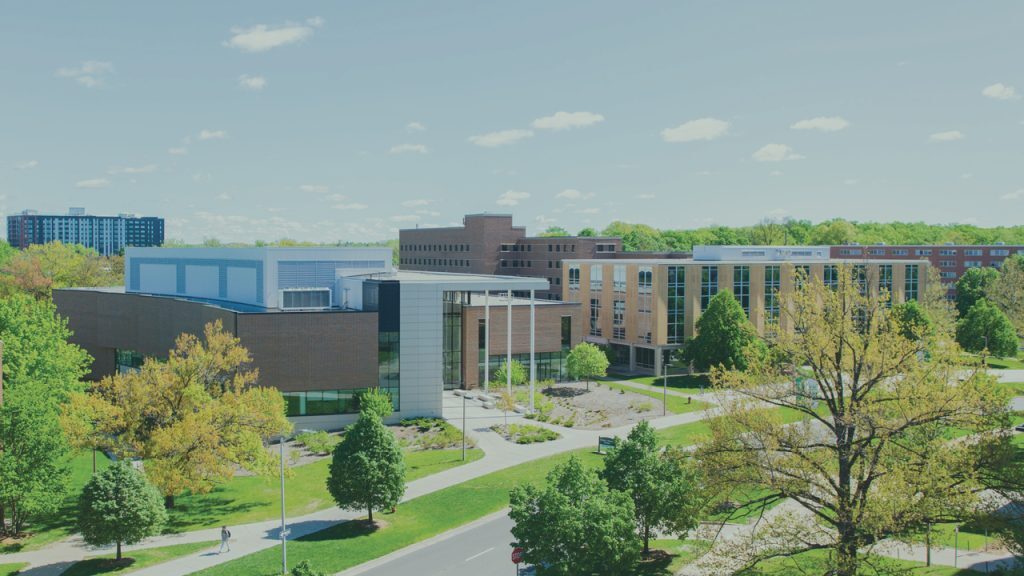
JD/MBA students Ethan Karapatsakis and Brandon Matthews discuss the differences between law and business studies.
MD-MBA student offers tips to combat common pitfalls for first year grad students.
Get Connected with Broad:
- Business College Complex
- 632 Bogue St
- East Lansing, MI 48824