Today, MSU’s supply chain management curriculum is still at the cutting edge, consistently recognized by U.S. News & World Report with a No. 1 ranking for undergraduate and graduate programs.
“The classes are practical, not just theory, so we learn how to actively think and solve problems. Plus, the professors have real-world experience to share,” says Peter Estefan, a fourth-year student in supply chain management and president of the Supply Chain Management Association, one of the largest student organizations at MSU.
Faculty work to stay on top of business trends and the challenges presented by rapid advances in technology. The curriculum now includes data analytics and big data. Understanding these tools allows graduates of the program to help their employers forecast the future with what they know about the past.
The college also offers a class on business “soft skills,” which are as important to supply chain managers as processes and data. Supply chain managers maintain strong relationships with partners and work to understand problems from their perspective while using their insights to make decisions.
“Supply chain management is 50% science and 50% art,” says Miller.
Setting Spartans apart
Another hallmark of MSU’s supply chain management department is the strong connection to business, in Michigan and around the world.
For more than 40 years, industry leaders on the Supply Chain Management Council have supported the teaching, research and business involvement of MSU faculty and students. While the council format is used by multiple universities, MSU members are partners in top-ranked supply chain research, as well as educational and recruitment opportunities with students.
“The college does a really good job of keeping industry connected with the program,” says Adam Robbins, principal director of strategy supply chain and operations practice at Accenture and member of the MSU Supply Chain Management Council. “We have regular opportunities to connect with students and faculty.”
Council members frequently give presentations to the student-led Supply Chain Management Association and host student tours at their facilities. Members also participate in capstone project presentations, allowing students to gain experience and receive feedback from company leaders and potential future employers.
“Even my colleagues who did not go to MSU recognize there is something different about these students. Spartan students and graduates tend to be well advanced in the supply chain discipline given their academic background, extracurricular activities and internship experiences,” adds Robbins. “They have a lot of hustle and are ready to go. Their learning curve is less steep.”


 Jason Miller (left) and Li Cheng are faculty in Broad's Department of Supply Chain Management, one of the top programs in the nation.
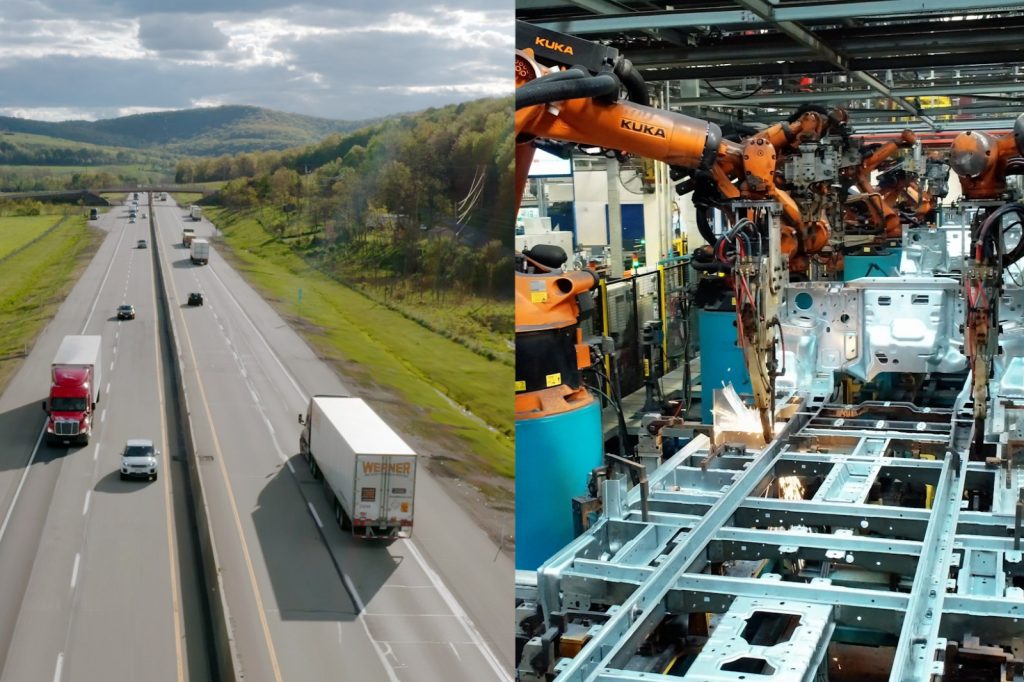 MSU’s holistic approach extends to the classroom by looking at supply chain management from end to end and integrating topics from manufacturing operations, purchasing, transportation and physical distribution into a unified program.